Points to check before booking quad biking in Dubai
Booking quad biking dubai is usually simple, but the details matter. A ride over open sand feels very different when the bike fits you, the route suits your confidence, and the safety setup is clear from the start. Before paying, slow down and look at the practical points below. They help you avoid surprises and choose an experience that matches the kind of day you want.
Confirm the riding area and route style
Start with where the ride takes place and what kind of ground you will cross. Open desert routes can include firm tracks, soft sand, small crests and wider sand dune sections. A route built around steady riding suits first timers. A route with steeper climbs and faster stretches suits riders who already have some control over a quad bike.
Ask whether the trail is guided, how long the riding segment lasts, and whether there are stops. This matters because a package may include transport, a desert safari, a desert camp or other activities, while the actual time on the bike may be shorter than expected. A clear route description is more useful than a broad promise of endless dunes.
Also check the meeting point. The distance to the departure area can shape the whole day, especially in warm weather. If transfers are mentioned, confirm where they start and what happens if you are staying outside the listed pickup zone. Planning this early prevents a rushed arrival and gives you time to listen properly during the safety briefing.
Check the bike type and engine level
Not every quad bike is the same. Engine size, weight, seat height and power delivery all affect how manageable the ride feels. A smaller engine can be easier for a beginner, while a larger quad bike engine may feel stronger on climbs and longer trails. More power is not always better if you want a relaxed ride with frequent stops for photos.
Ask whether riders can choose bikes by experience level. If two people share a bike, check whether that is allowed and how the controls are explained to both riders. Body size matters too. You should be able to sit with both feet supported and reach the handlebars without stretching. If the machine feels too large before setting off, say so rather than trying to adapt once the group moves.
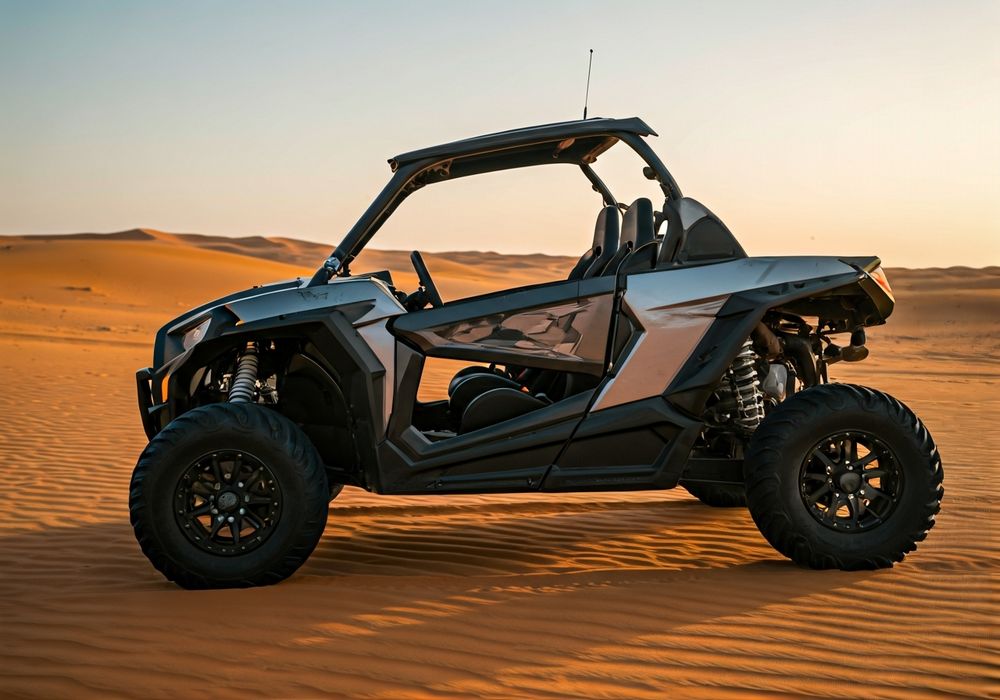
It is also worth asking about automatic controls, braking response and whether the bike has any special starting procedure. None of this needs technical language. A plain explanation should tell you what to expect and whether the vehicle suits your strength and confidence.
Look closely at safety equipment and rules
A helmet should be part of the riding setup, and it should fit. A loose helmet can shift your view at the wrong moment, while one that is too tight can become painful over a long ride. Ask whether different sizes are available and whether you can try one before the ride begins.
Protective clothing also helps. Lightweight long trousers, a t shirt that covers your shoulders, closed shoes and sunglasses can make the day more comfortable. Sand, dust and branches can catch you by surprise, and loose footwear can slip when you put a foot down. Gloves are useful if you want a firmer grip, particularly on longer trails.
Listen for the safety briefing and check that it covers hand signals, stopping distance, group spacing and what to do if you feel unsure mid ride. A good briefing is not a formal speech. It gives simple rules that riders can remember while moving. If the instructions are rushed or unclear, ask for them again before entering the riding area.
When browsing options, cameldesertsafaridubai.com can be one place to compare what is included, but the same checks apply wherever you look. The aim is not to find the most dramatic description. It is to find a ride where the equipment, route and rules make sense for you.
Understand who can ride
Age, height, health and experience can all affect whether someone should join. Check the minimum age for riding as a driver and as a passenger. Rules can differ, and a child who can sit on a bike may still be too young or too small to ride one safely.
If you have back trouble, joint pain, balance issues or a condition that may affect reaction time, think carefully before booking a bumpy trail. The same applies if you are recovering from an injury. A short, gentle route may be more suitable than a long ride across uneven sand. When in doubt, get medical advice rather than relying on a booking description.
Mixed groups need extra thought. One rider may want speed while another wants a slow pace. Ask whether the route can be split by ability or whether the group stays together throughout. If everyone rides together, make sure the pace is set by the least confident rider rather than the fastest one.
Read the timing carefully
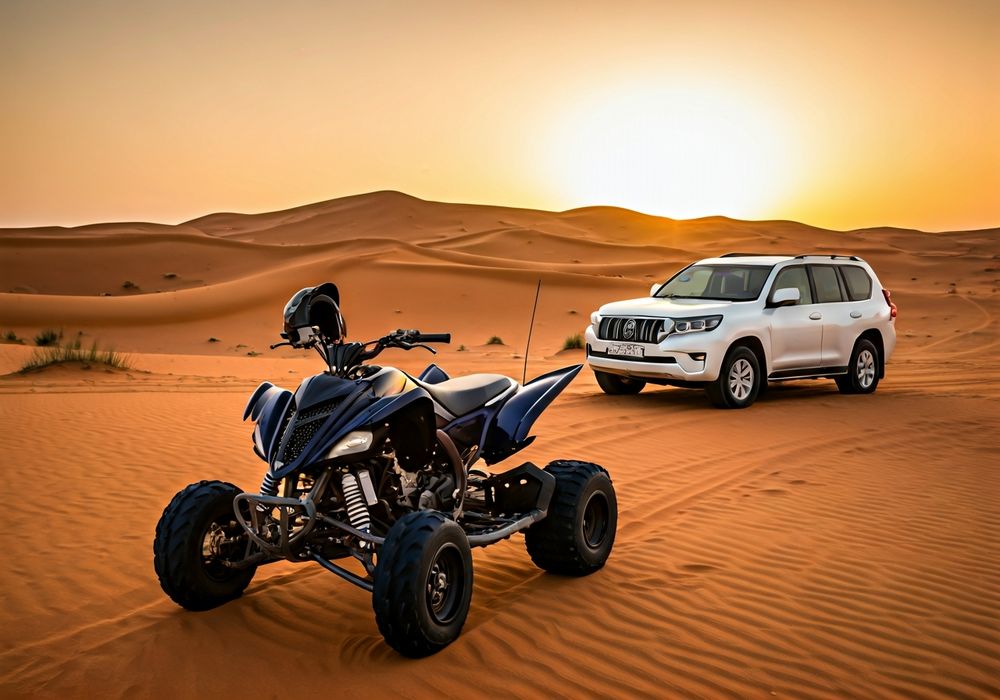
Time of day changes the feel of a desert ride. Cooler hours are usually more comfortable, while midday heat can make even a short trail tiring. Sunset rides look dramatic, but they can also feel busier if many groups arrive at once. Choose a slot that gives you enough daylight and lets you settle in without pressure.
Check the total duration as well as the riding time. A package may include pickup, paperwork, briefing, riding, photo stops and a return journey. These pieces add up. If you have another plan later, leave a buffer rather than booking a tight schedule.
Weather can affect the route. Strong wind can blow sand across the trail, and rain can change the surface. Ask what happens if conditions are poor and whether the ride is delayed, adjusted or cancelled. Clear terms are useful because they remove guesswork on the day.
Know what is included
Before booking, separate the riding part from everything around it. Some packages focus on the bike ride, while others combine it with a desert safari, meals, entertainment or a desert camp. That does not make one option better than another. It simply changes what you are paying for and how your time is spent.
Check whether fuel, helmet use, guiding, transfer and entry to any activity area are included. Also ask what is not included, so you are not caught out by optional extras. If photos are taken during the ride, find out how they are offered and whether you are expected to buy them. This is a small detail, but it can affect the overall experience.
It helps to review the booking terms in plain language. Look for the rules on changes, cancellations, late arrival and minimum numbers. Avoid relying on vague claims. A term that is easy to read now is easier to trust later.
Ask about supervision and emergency planning
Guided riding should include clear supervision. Ask how guides stay in contact with the group and where they position themselves during the ride. A guide at the front can set the pace, while a guide at the back can spot riders who fall behind. On wider routes, communication between guides matters because the group can stretch out.
Ask what happens if a bike stops, a rider feels unwell or someone loses confidence. A sensible plan should explain how the group is managed and how help is called. You do not need a long technical answer. You do need to know that the route is monitored and that riders are not left guessing.
Keep personal items minimal and secure. Phones, keys and wallets can be damaged by sand or dropped during a stop. Use a closed pocket or a small secure bag, and keep water available in warm weather. These habits are simple, but they make the ride smoother.
Match the experience to your comfort level
The best choice is rarely the fastest or the longest. It is the ride that leaves you comfortable when you finish. If you are new to quad biking, choose a route with clear instructions, gentle turns and enough space to practise stopping. If you have ridden before, look for a trail with more varied terrain and a guide who understands pace control.
Pay attention to how your questions are answered. Clear, calm replies usually suggest a well organised setup. Vague answers about the route, safety briefing or bike type are a reason to pause. cameldesertsafaridubai.com is one name you may notice while researching, but the decision should rest on the same practical details wherever you book.
Once the route, bike, safety gear, timing and terms all line up, booking feels much less uncertain. You can then look forward to the ride itself: the sound of the engine, the shape of the dunes and the space of the desert, with fewer loose ends waiting in the background.